
Creating Effective Web-Based Event Funnels: A Guide for Local Businesses
Understanding Event Funnels
Creating effective web-based event funnels is crucial for local businesses looking to maximize their event attendance and engagement. An event funnel is a structured path that guides potential attendees from awareness to registration, and ultimately to participation. By designing a funnel that aligns with your audience's needs, you can significantly boost your event's success.

Identifying Your Audience
Before you can create an effective funnel, you need to understand who your target audience is. Consider demographics, interests, and behaviors. This information will help you tailor your messaging and choose the right platforms to reach your audience. The more you know about your audience, the more effectively you can engage them.
Building the Awareness Stage
The first stage of the funnel is awareness. This is where potential attendees first hear about your event. Use channels like social media, email marketing, and local advertising to spread the word. Ensure your messaging is clear and enticing, highlighting what makes your event unique and valuable.

Engaging Through Content
Content is a powerful tool in the event funnel. Create blog posts, videos, and infographics that provide valuable insights related to your event. This not only builds interest but also establishes your authority on the subject. Content should lead your audience naturally towards considering attending your event.
Crafting a Compelling Call to Action
A strong call to action (CTA) is essential in moving potential attendees from interest to registration. Use phrases that create urgency and convey clear value, such as "Register now to secure your spot!" or "Don't miss out on early bird pricing!" Make sure your CTA is prominent and easy to act upon.
Streamlining the Registration Process
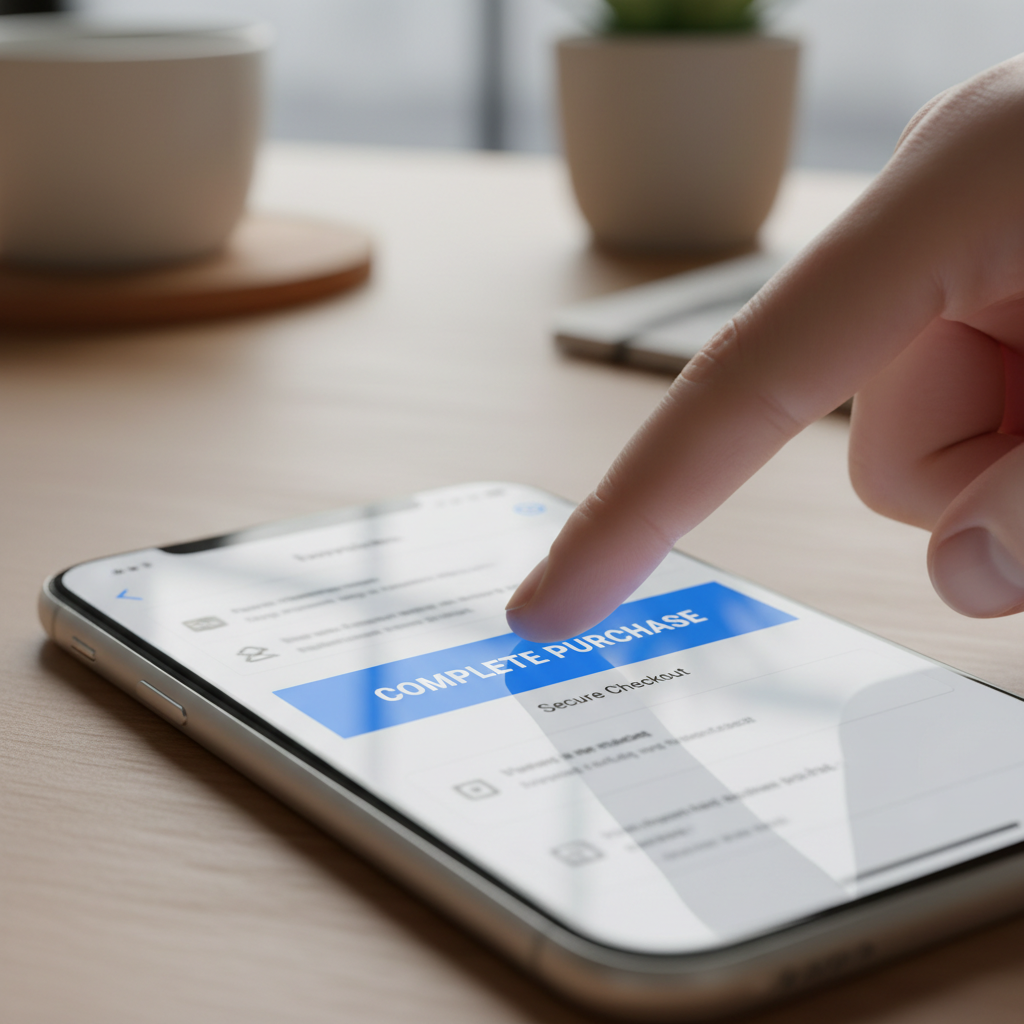
The registration process should be straightforward and user-friendly. Complicated forms or a confusing process can discourage potential attendees. Use a simple online registration system and offer multiple payment options to cater to different preferences. The easier it is to register, the higher your conversion rate will be.
Utilizing Data and Feedback
After your event, gather data and feedback from attendees. This information is invaluable for improving future events and refining your funnel strategy. Understand what worked well and what could be improved. Use surveys and analytics tools to gain insights into attendee satisfaction and engagement.
Nurturing Relationships Post-Event
Maintaining a relationship with attendees after the event can lead to future opportunities. Send follow-up emails thanking them for their participation and provide additional resources or content that may interest them. Building a community around your events can lead to repeat attendance and word-of-mouth promotion.
By understanding and implementing these strategies, local businesses can create effective web-based event funnels that enhance engagement and drive success. Tailor each stage of the funnel to meet the needs of your audience, and continuously refine your approach based on feedback and data. With a well-designed funnel, your events are poised for greater impact and growth.