
Building Effective Web-Based Event Funnels for Local Businesses
Understanding Web-Based Event Funnels
For local businesses, hosting events can be a powerful way to engage the community, attract new customers, and strengthen brand loyalty. However, to maximize attendance and impact, it's crucial to create an effective web-based event funnel. This digital strategy will guide potential attendees from awareness to registration.
An event funnel is a step-by-step process that leads your audience through different stages, encouraging them to take action. In this case, the ultimate goal is to get them to register for your event. Understanding the components and flow of this funnel is essential to its success.

Components of an Effective Event Funnel
Attracting Attention
The first stage of your funnel should focus on attracting attention. Use digital marketing tactics such as social media posts, email campaigns, and online ads to reach your target audience. Make sure your messaging is clear and highlights the benefits of attending your event.
Creating a compelling landing page is another critical component. This page should provide detailed information about the event, including date, time, location, and any special features or speakers. Ensure that your call-to-action (CTA) is prominent and encourages visitors to register.

Nurturing Interest
After capturing initial interest, it's important to nurture it. Use follow-up emails or retargeting ads to remind potential attendees about the event and provide additional value, such as exclusive content or early-bird discounts. This helps keep your event top-of-mind and encourages further engagement.
Consider offering a free resource, like a downloadable guide or checklist related to the event topic, in exchange for an email address. This not only provides value but also builds your email list for future marketing efforts.
Converting Visitors to Attendees
Streamlining the Registration Process
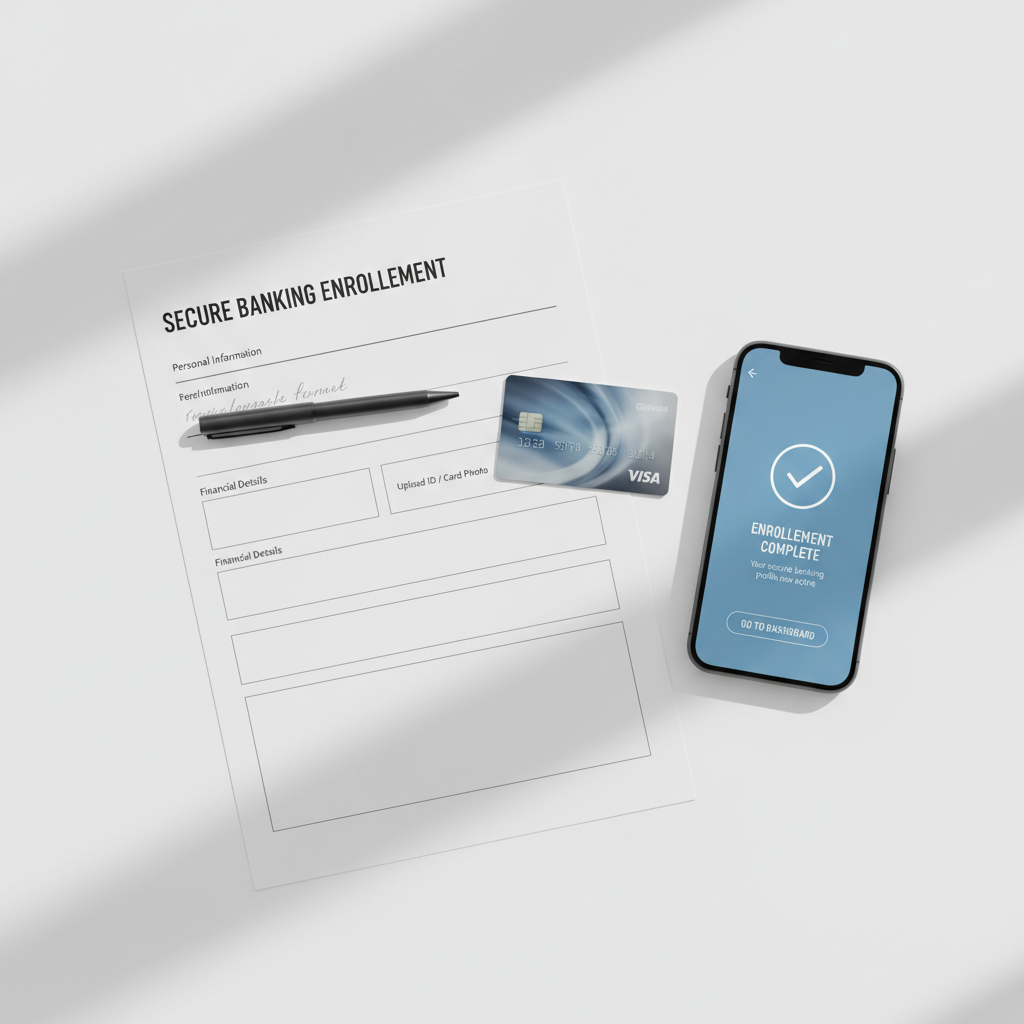
The registration process should be as smooth and straightforward as possible. A complicated or lengthy process can deter potential attendees. Use a simple form that collects only necessary information and provides multiple payment options if applicable.
Integrate testimonials or reviews from past attendees to build trust and reassure new registrants of the event's quality. Display these prominently on your registration page.
Post-Registration Engagement
Once someone registers, keep the momentum going with engaging content. Send confirmation emails with event details and include a calendar invite to ensure they save the date. Consider sharing behind-the-scenes content or sneak peeks of what to expect at the event to maintain excitement.
Encourage registrants to share the event with their network. Offer incentives, such as a chance to win a prize or exclusive content, for those who refer friends or colleagues.
Analyzing and Optimizing Your Funnel
After the event, analyze the performance of your funnel. Check metrics such as the number of registrations, conversion rates, and engagement levels. Use this data to identify areas for improvement and optimize future events.
Conduct surveys or gather feedback from attendees to gain insights into what worked well and what could be improved. These insights are invaluable for refining your approach and increasing the effectiveness of future event funnels.

In conclusion, building an effective web-based event funnel involves a strategic approach to attract, engage, and convert potential attendees. By focusing on each stage of the funnel and continuously optimizing, local businesses can enhance their event success and foster greater community engagement.